Manufacturing
From raw herb to packed extract.
Every standardised extract in the range is produced as a spray-dried powder, through the same seven stages. The herb, the marker compound and the assay percentage differ from product to product. The sequence remains the same.
The process
Seven stages.
Other formats
Beyond the spray-dried powder.
PG extracts
Liquid extracts in propylene glycol, for cosmetic applications where a dry powder is not the appropriate carrier.
Tailor-made
Manufactured to the customer’s own specification on request, including herbs grown or sourced in India outside the published range.
The plant
Two sites, three laboratories.
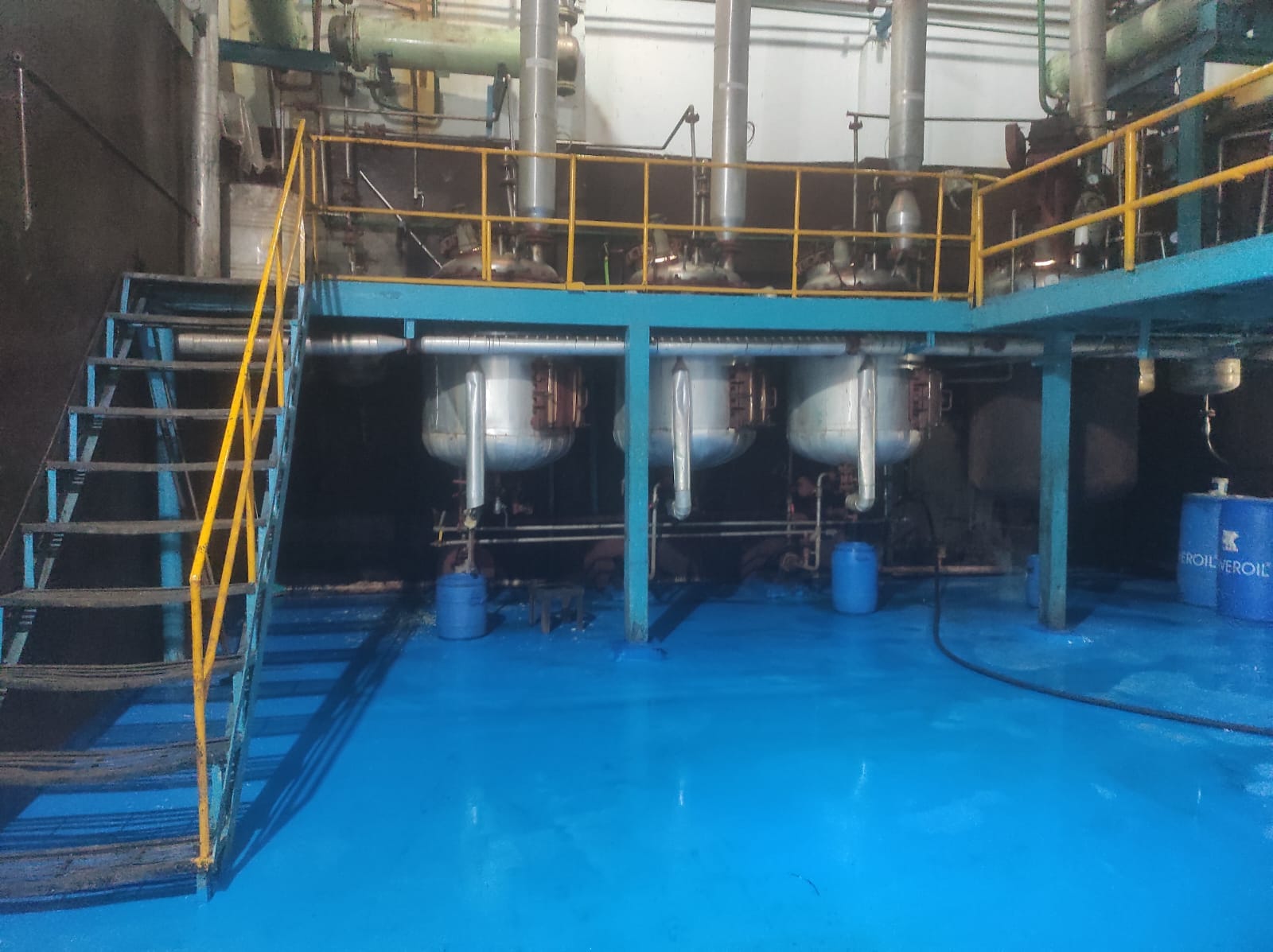
Production runs at Pithampur in three shifts over 24 hours, with capacity for 300 MT of herbs a month. The line runs from crushing and preparatory systems through semi-continuous extraction, distillation, filtration, vacuum and spray drying, and micro-pulverising and sifting, to a controlled packaging area. All of it is SS 316 stainless steel, arranged to minimise bacterial and fungal contamination.
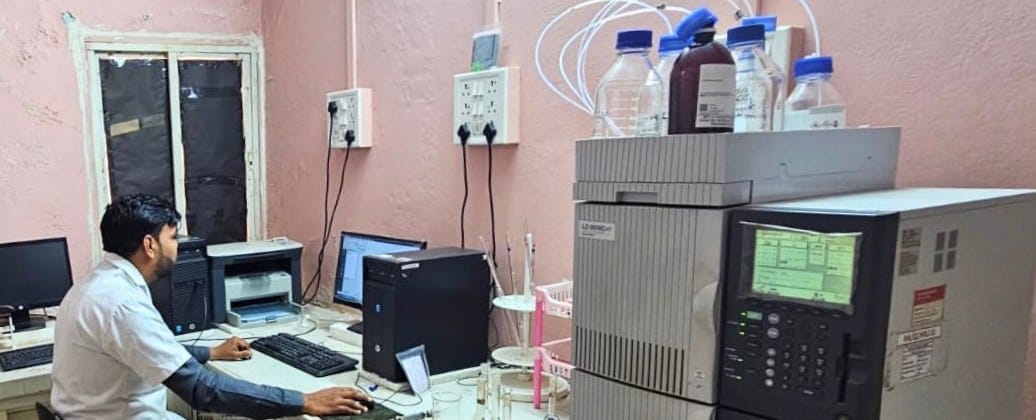
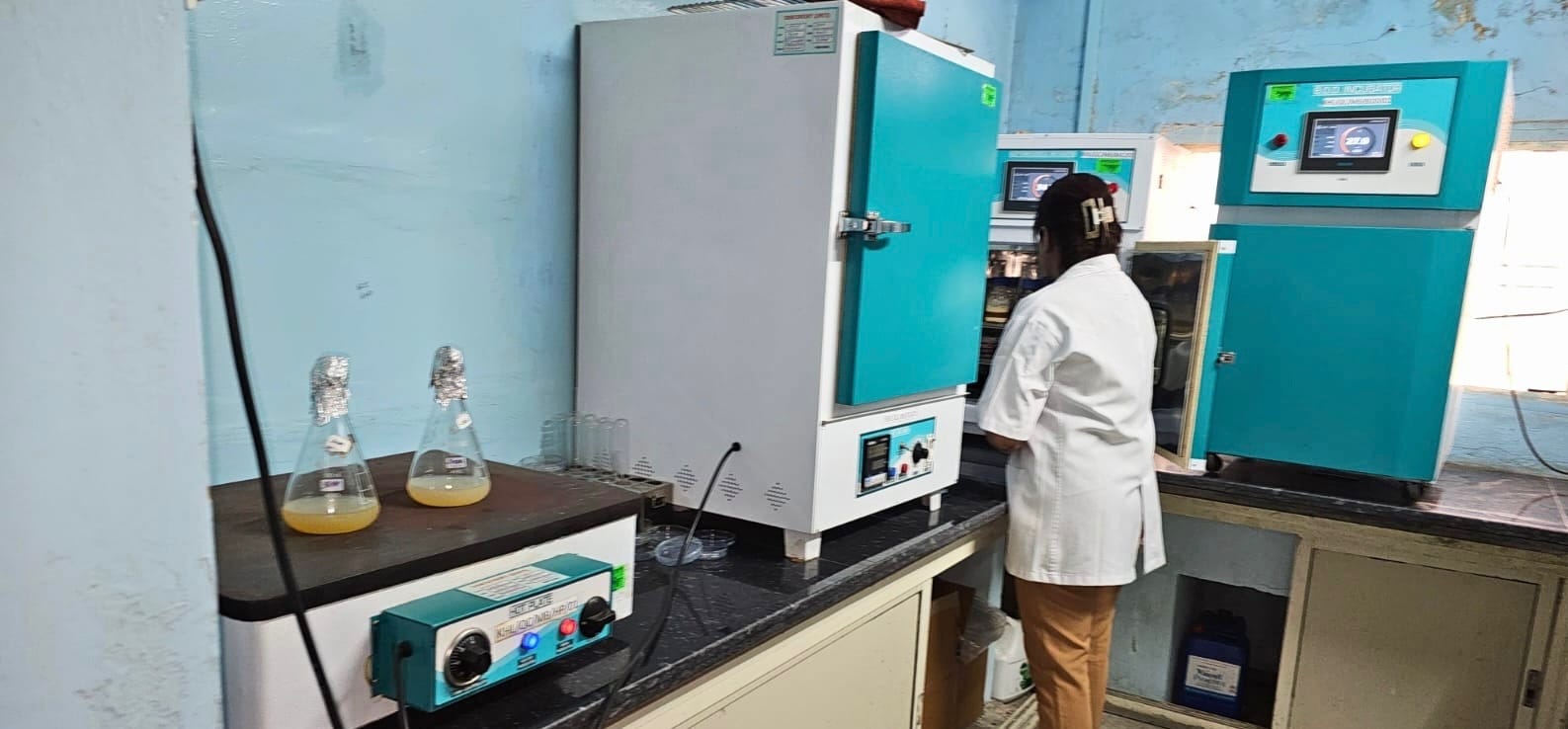
Quality control runs at both sites. The factory laboratory tests raw material online, as it moves through production. The office laboratory in Indore tests the finished extract a second time. A separate microbiology laboratory counts bacterial and fungal load before the extract ships. HPLC testing is also available for selected herbs.
Quality control
Every batch, certified
The quality-control laboratory produces the Certificate of Analysis and performs the quality assessment on every batch, against the stated marker compound and assay percentage. The certificate is supplied on request.
Research & development
The same benches, looking forward
The laboratories’ other half: improving the manufacturing process and developing new products.
Licence and quality systems
Manufacturing unit: Plot No. 548, Sector 3, Industrial Area, Pithampur, District Dhar, Madhya Pradesh 454775, India. The manufacturing licence and all the certificates above are issued to this address. Current certificates are supplied on request.
This site is for formulators and manufacturers of finished products, not for consumers. Category names and any traditional-use notes on this site describe the historical Ayurvedic application of the botanical. They help you navigate the catalogue. They are not claims about the effect of any Kisalaya product, or of any product made from it. If you market a finished product, you are responsible for confirming which claims, and which ingredients, are lawful where you sell it.
Next step
Send us the specification.
Tell us the botanical, the marker percentage and the mesh size you are working to, and we will quote against it. If the herb is not in the published catalogue of 124 extracts, send the name anyway: we manufacture extracts from other herbs grown or sourced in India on request.